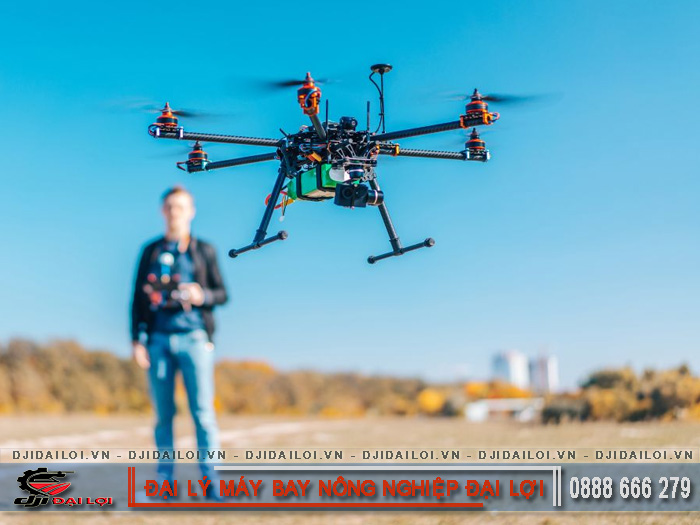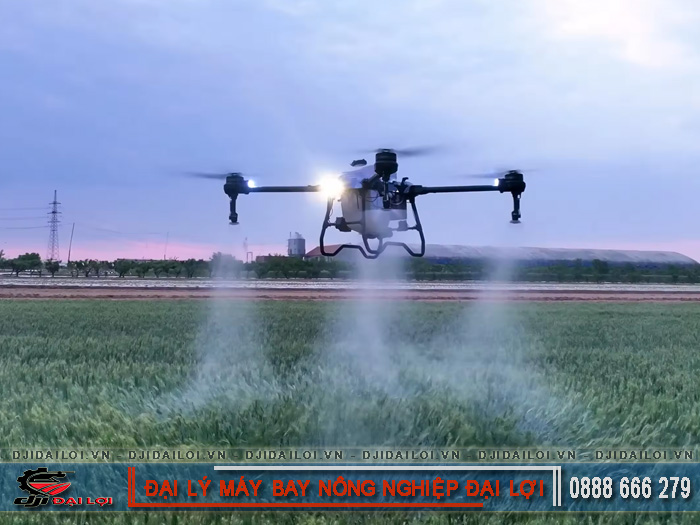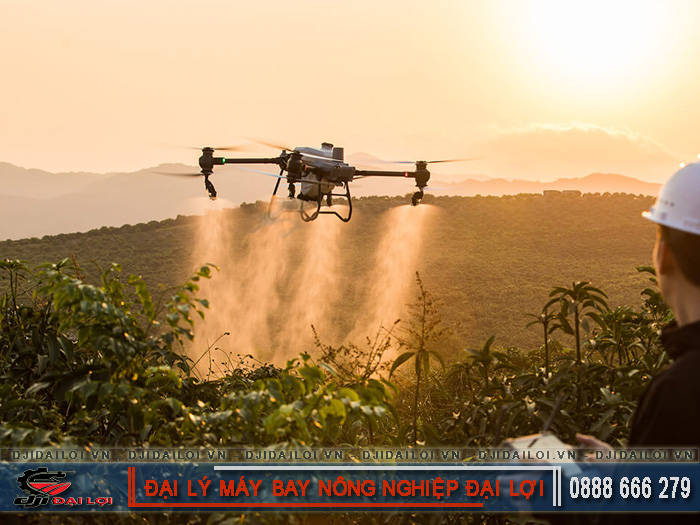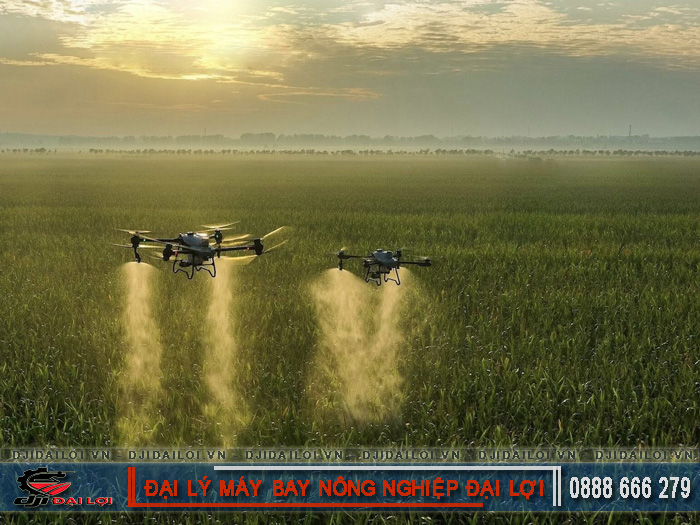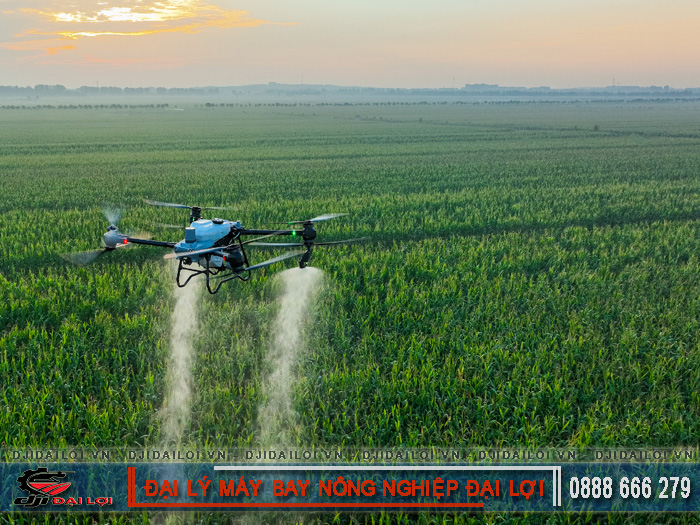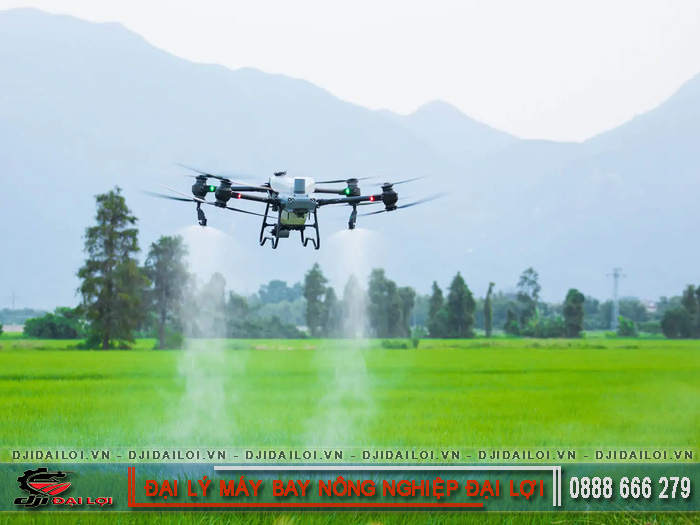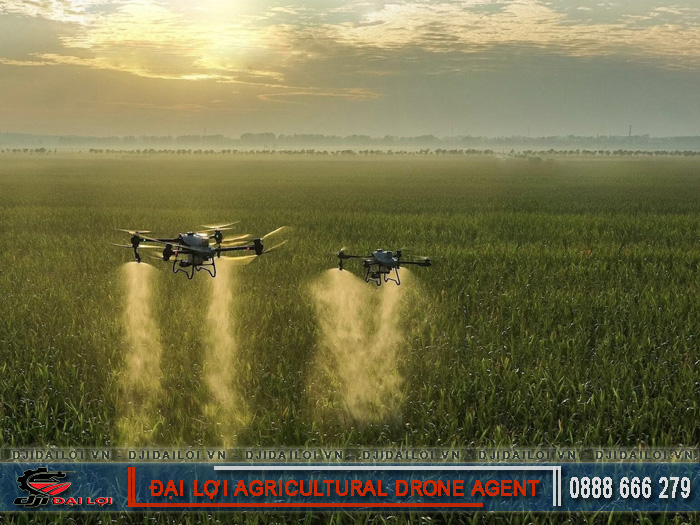
A battery-powered spraying drone is an unmanned aerial vehicle equipped with a spraying system that operates using lithium-ion battery power. These drones can fly autonomously via RTK positioning maps, precisely spraying within programmed areas to reduce chemical waste and labor costs.
Their operating principle converts electrical energy from the battery into mechanical power for the rotors and pumps. This allows flight times of 15-25 minutes per full charge, depending on battery capacity and payload.
The main components of a battery-powered spraying drone include:
When operating, the drone uses battery energy to rotate the propellers and run the pump. GPS/RTK positioning sensors ensure accurate flight paths, prevent overlapping spray zones, and automatically stop when the battery runs low for safety.
|
Criteria |
Battery-powered drone |
Fuel-powered drone |
|---|---|---|
|
Energy source |
Lithium-ion or smart battery |
2-stroke gasoline engine |
|
Flight duration |
15-25 minutes per charge |
30-40 minutes per refill |
|
Operating cost |
Lower, no fuel needed |
Higher due to fuel consumption |
|
Maintenance |
Easier, less mechanical wear |
More parts to maintain |
|
Environment |
No CO₂ emissions |
Smoke and noise pollution |
Overall, battery-powered spraying drone are an optimal choice for small and medium farms thanks to their low operating costs and eco-friendly performance.
The price of battery-powered spraying drone ranges from 120 to 300 million VND, depending on the brand, tank size, and battery technology.
Users also need 2-3 spare batteries and a fast charger to ensure continuous operation.
Drone pricing depends on several factors:
|
Category |
Battery-powered drone |
Fuel-powered drone |
|---|---|---|
|
Initial investment |
Higher (battery cost) |
Lower |
|
Operating cost |
Cheaper, no fuel |
Higher due to fuel |
|
Regular maintenance |
Minimal, battery checks only |
Frequent, needs oil and filters |
|
Average lifespan |
3-5 years |
2-3 years |
Although the initial investment is higher, battery-powered spraying drone offer long-term savings in operation and superior durability.
A battery-powered spraying drone usually has a battery capacity of 12,000-25,000 mAh, allowing continuous flight for 15-25 minutes depending on payload. With DJI smart batteries, drones can spray over 10-15 hectares per day when using 3 batteries in rotation.
For best results, operators should regularly check remaining capacity and avoid discharging below 20%, which shortens battery life.
Battery efficiency is influenced by:
In hot or humid conditions, batteries should rest between flights to prevent overheating.
To estimate actual costs when using battery-powered spraying drone:
→ The total cost to spray 1 hectare is only 40,000-60,000 VND, about 50% cheaper than manual spraying.
Before investing in a battery-powered spraying drone, determine your farm size and usage frequency:
Leading brands like DJI Agras offer smart batteries with high capacity, fast charging, and excellent stability. Choose drones with obstacle sensors, autonomous mapping, and official warranty to ensure long-term efficiency and safety.
Battery quality determines the drone’s lifespan. When purchasing, check:
One of the main advantages of battery-powered spraying drone is fuel savings compared to gasoline drones. Battery drones run fully on electricity, reducing fuel use and saving 30-40% of annual operation costs.
Electricity for charging costs only a fraction of fuel expenses, while batteries can last up to 1,000 charging cycles with proper maintenance-helping farmers recover their investment after just 1-2 seasons.
Unlike fuel-powered drones, battery-powered spraying drone produce no CO₂ emissions or exhaust fumes. This ensures cleaner, quieter operation and aligns with sustainable farming practices.
Operators also remain at a safe distance during spraying, minimizing chemical exposure and promoting long-term health.
With simplified design and intelligent control, battery-powered spraying drone are easier to operate than fuel-engine types. Most users can learn safe operation in 1-2 training sessions.
Maintenance is simple-clean nozzles, inspect batteries, follow proper charging, and update RTK software. The absence of combustion engines reduces mechanical wear and risk of fire or vibration damage.
Battery care is crucial for battery-powered spraying drone:
Following these rules keeps batteries at over 90% efficiency after 500+ cycles.
Store drone batteries in dry environments at 15-25°C away from sunlight. For long-term storage, maintain 50-60% charge to avoid swelling or degradation.
During humid seasons, use anti-moisture boxes or silica gel bags to prevent corrosion and oxidation.
Manufacturers like DJI recommend checking every 100 charging cycles to ensure stable voltage. Replace batteries showing fast discharge, overheating, or 20% capacity loss to prevent accidents. Proper maintenance helps battery-powered drones maintain peak flight performance during busy seasons.

Models like DJI T50, T70P, and T100 set the benchmark for battery-powered spraying drones:
All use smart lithium batteries with 10-15-minute fast charging-ideal for large-scale farms.
For farms under 20 ha, mid-range battery-powered spraying drones like DJI T20P or T25P are excellent options.
Advantages include:
DJI T50 and T70P are also popular for cooperatives due to stable performance and low maintenance costs, suited to Vietnamese farm conditions.
Farmers should consider battery-powered spraying drone when:
Battery drones are best suited for areas with stable electricity and environmental goals.
To optimize investment:
A battery drone can save 40-50% in operating cost versus fuel types, ensuring a full return on investment within two growing seasons.
Using battery-powered spraying drone is not only economical but also aligns with precision and low-emission agriculture. Combined with AI, crop data, and GIS mapping, these drones are key tools in Vietnam’s digital farming transition.
Smart investments in the right model and proper maintenance unlock both economic and environmental benefits.
Depending on the model and battery capacity, it can spray 1-3 hectares per flight, lasting 15-25 minutes under normal conditions.
Yes. Most battery-powered spraying drones support 220V home charging using certified chargers with thermal sensors and voltage stabilizers.
At least 2-3 spare batteries are recommended to maintain continuous operation and efficient daily spraying.
Yes. Models like DJI T10, T20P, and T25P adapt to small or uneven fields with automatic altitude adjustments.
With proper charging and storage, battery-powered drone batteries last 800-1,000 charge cycles, equivalent to 3-5 years of stable use.